
fork
1704
Medium
cutlery
Classification
cutlery
Department
Smithsonian Collection
Museum
Smithsonian American Art Museum
Credit
The Robert L. Metzenberg Collection, gift of Eleanor L. Metzenberg
Accession Number
1985-103-9
Rights
Public Domain
About this artwork
Research in Progress
Art Historical Context
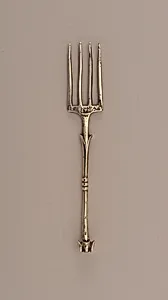
Step into the refined world of 18th-century American domestic life with this intriguing fork from 1704, crafted by enigmatic maker known only as PD. Housed in the Smithsonian American Art Museum's Smithsonian, this piece of cutlery exemplifies the everyday artistry of early colonial craftsmanship. Donated through The Robert L. Metzen Collection by Eleanor L. Metzenberg, it us to ponder the hands that once held it during meals in a burgeoning nation. Dating to 1704, the fork reflects a pivotal moment when table utensils were transitioning from rarity to household essential among the elite. In colonial America, forks symbolized emerging European dining etiquette, imported from England and the Continent, where they gained popularity in the late 17th century. PD's creation, classified simply as cutlery, likely showcases the metalworker's skill in form and balance, blending utility with subtle elegance typical of the period's silversmiths or pewterers. Though research on this artifact is ongoing, its presence in the museum underscores the cultural value of functional objects as windows into daily life. Imagine it gracing a tavern table or a merchant's supper— a tangible link to America's formative years, where every tool told a story of adaptation and aspiration.