
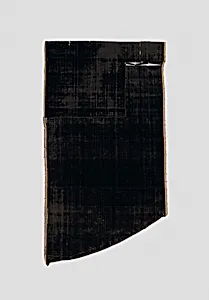
Fragment
Unknown Artist
16th or 17th century
Medium
Silk
Dimensions
39 5/8 x 21 5/8 in. (102 x 55.2 cm) with selvages opened
Classification
Textiles-Velvets
Culture
Italian or Spanish
Department
Robert Lehman Collection
Museum
Metropolitan Museum of Art, New York, NY
Credit
Robert Lehman Collection, 1975
Accession Number
1975.1.1828
Rights
Public Domain
Art Historical Context
This exquisite silk velvet fragment, hailing from the 16 or 17th century offers a tantalizing glimpse into the opulent textile arts of Renaissance or early Baroque Italy or Spain. Measuring an impressive 39⅝ × 21⅝ inches (with selvages opened, indicating it was likely part of a larger woven), this piece exemplifies the luxurious velvets prized by Europe's elite. These fabrics were not mere cloth but status symbols adorning ecclesiastical vestments, royal garments, and lavish furnishings in palaces and cathedrals. Velvet production reached its zenith during this era, particularly in Italian centers like Genoa and Venice, or Spanish workshops influenced by Moorish techniques. The medium—rich, cut-pile silk—demanded masterful weaving on specialized looms, creating a shimmering, three-dimensional texture that caught the light dramatically. Selvages, the stable woven edges, were often opened to seam panels into expansive designs, suggesting this fragment once contributed to a grand textile, perhaps a cope or wall hanging. Now preserved in the Metropolitan Museum of Art's Robert Lehman Collection (acquired in 1975), this anonymous masterpiece invites us to marvel at the anonymous artisans' skill. Though incomplete, it whispers of a world where silk's luster symbolized power and piety, bridging art and everyday splendor.