
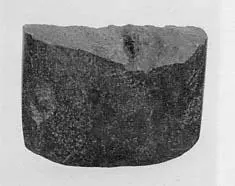
Fragment of Hatchet
Unknown Artist
Medium
Jadeite
Dimensions
H. 1 1/4 in. (3.2 cm); W. 1 5/8 in. (4.1 cm); Th. 3/4 in. (1.9 cm)
Classification
Jade
Culture
Guatemala
Department
Asian Art
Museum
Metropolitan Museum of Art, New York, NY
Credit
Gift of Heber R. Bishop, 1902
Accession Number
02.18.223
Rights
Public Domain
Art Historical Context
This delicate fragment of a hatchet, carved from jadeite, originates from ancient Guatemala and exemplifies the reverence for this precious stone in pre-Columbian cultures. Measuring a modest 1¼ inches high, 1⅝ inches wide, and ¾ inch thick, its compact form belies the technical prowess required to shape such a tough, vibrant green material—jadeite ranks high on the Mohs scale of hardness, demanding patient abrasion techniques with sand or other stones. In Guatemalan societies, jadeite objects like hatchets or celts held deep cultural value, often serving ceremonial or symbolic roles among elites due to the stone's rarity and luminous quality. Sourced from localized deposits, it evoked associations with water, fertility, and prestige, distinguishing it from commoner materials. Though the artist and exact date remain unknown, this piece reflects enduring Mesoamerican jade-working traditions. Acquired as part of Heber R. Bishop's renowned jade collection and gifted to the Metropolitan Museum of Art in 1902, the fragment now resides in the Asian Art department, highlighting jade's cross-cultural appeal from the Americas to East Asia. A testament to ancient ingenuity, it invites visitors to ponder the hands that once wielded it.