
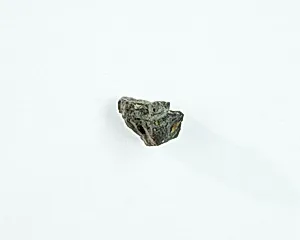
Fragments of Malachite
Unknown Artist
ca. 1479–1458 B.C.
Medium
Malachite
Dimensions
1.5 × 0.8 cm (9/16 × 5/16 in.)
Classification
Malachite fragments (3)
Period
New Kingdom
Department
Egyptian Art
Museum
Metropolitan Museum of Art, New York, NY
Credit
Rogers Fund, 1927
Accession Number
27.3.450a–c
Rights
Public Domain
Art Historical Context
These delicate *Fragments of Malachite* hail from Egypt's New Kingdom, specifically Dynasty 18 (ca. 1479–1458 B.C.), a golden age of pharaonic power under rulers like Hatshepsut Thutmose III. by the Metropolitan Museum of Art through the Fund in 1927, these tiny pieces—measuring just 1.5 × 0.8 cm—offer a glimpse into the exquisite craftsmanship of ancient Egyptian artisans. Crafted from malachite, a vibrant copper ore mined in the Sinai Peninsula and eastern deserts, the fragments were likely inlays for jewelry, furniture, or ceremonial objects. Ancient Egyptians prized malachite for its lustrous polish and symbolic ties to renewal and fertility, often associating its color with life-giving forces in rituals and adornments. The material's rarity underscored the wealth of the elite during this prosperous era of empire-building and monumental art. Though small, these remnants highlight the precision of Egyptian stoneworking techniques, where stones were sliced thin, shaped, and burnished to perfection. They remind us how everyday luxuries reflected divine order and eternal beauty in New Kingdom society, preserving a spark of antiquity for modern eyes.