
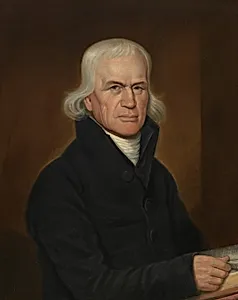
Francis Asbury
Medium
Painting
Classification
Painting
Department
Smithsonian Collection
Museum
Smithsonian American Art Museum
Credit
National Portrait Gallery, Smithsonian Institution
Accession Number
NPG.90.82
Rights
Public Domain
Tags
About this artwork
(David Dunton, Woodbury,Conn.); purchased 1990 NPG
Art Historical Context
**Francis Asbury** (1813), a compelling portrait by American painter John Paradise (178–1833), captures revered Methodist bishop in his later years. Painted during a pivotal era in American religious history, this oil painting—now housed in the Smithsonian American Museum's National Portrait Gallerydepicts Asbury, often called the "Father of Americanism," likely with a Bible, symbolizing his devotion to scripture and evangelism. Francis Asbury (1745–1816), tagged here as a male bishop and founder of a religious order, emigrated from England to the American colonies in 1771. As superintendent of Methodist societies, he endured the Revolutionary War's hardships, traveling over 270,000 miles on horseback to establish circuits and ordain ministers. By 1784, he was consecrated bishop, shaping the Methodist Episcopal Church into a major denomination amid America's young republic. Paradise, known for his straightforward, realistic portraits typical of early 19th-century itinerant artists, renders Asbury with dignified intensity. Acquired from David Dunton of Woodbury, Connecticut, in 1990, this work highlights Methodism's grassroots influence and preserves a key figure's legacy for visitors exploring faith and portraiture in early America.