
Frieze and ceiling
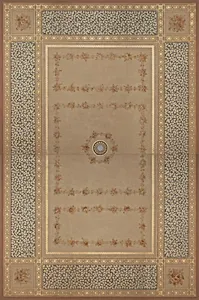
Medium
Oil on canvas
Dimensions
2009.226.19a: 29 1/2 in. × 12 ft. 9 1/4 in. (74.9 × 389.3 cm) 2009.226.19b: 29 1/2 in. × 18 ft. 5 1/4 in. (74.9 × 562 cm) 2009.226.19c: 29 1/8 in. × 12 ft. 8 in. (74 × 386.1 cm) 2009.226.19d: 29 1/2 in. × 18 ft. 5 in. (74.9 × 561.3 cm) 2009.226.19e: 9 ft. 1 3/8 in. × 11 ft. 6 5/8 in. (277.8 × 352.1 cm) 2009.226.19f: 96 7/8 in. × 11 ft. 6 1/8 in. (246.1 × 350.8 cm)
Classification
Frieze, Ceiling
Culture
American
Department
The American Wing
Museum
Metropolitan Museum of Art, New York, NY
Credit
Gift of The Museum of the City of New York, 2008
Accession Number
2009.226.19a–f
Rights
Public Domain
Tags
Art Historical Context
Step into the opulent world of Gilded Age America with this stunning *Frieze and Ceiling* (1881–82), a collaborative masterpiece by George A. Schaste & Co., designer George A. Schaste, and painter Virgilio Tojetti Crafted in oil on canvas, these expansive panels—stretching up to 18 feet long nearly 30 inches high for the friezes, with ceiling sections around 9 to 11 feet—were designed to adorn lavish interiors, transforming rooms into immersive spectacles of elegance. Created during the height of New York's social elite era, when tycoons commissioned extravagant homes, this work exemplifies the era's decorative arts. Schastey's firm specialized in sumptuous furnishings and murals for the wealthy, while Tojetti's classical training brought vibrant, narrative scenes to life. The monumental scale and oil medium allowed for rich colors and intricate details, perfectly suited for architectural integration in grand mansions. Now housed in The Metropolitan Museum of Art's American Wing, gifted by the Museum of the City of New York in 2008, these panels offer a glimpse into 19th-century American luxury. Imagine them encircling a dining room or ballroom, their sweeping vistas evoking timeless grandeur for today's visitors.