
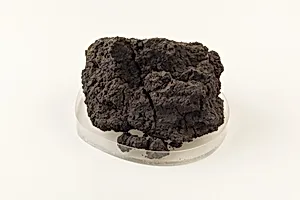
Fruit Cake
Unknown Artist
ca. 1492–1473 B.C.
Medium
Cake of dates, raisins
Dimensions
L. 15 cm (5 7/8 in.)
Classification
Food, fruit cake
Period
New Kingdom
Department
Egyptian Art
Museum
Metropolitan Museum of Art, New York, NY
Credit
Rogers Fund, 1936
Accession Number
36.3.81
Rights
Public Domain
Tags
About this artwork
This fruit cake from New Kingdom, Dynasty 18, early, Upper Egypt, Thebes, dating from ca. 1492–1473 B.C., represents the sophisticated artistic traditions of ancient Egypt. Created in cake of dates, raisins, The work, executed in cake of dates, raisins, measures l. 15 cm and This work provides valuable insights into the broader cultural and material contexts of its creation.
Art Historical Context
Step into the world of ancient Egypt with *Fruit Cake*, a remarkable artifact from the New Kingdom's Dynasty 18, early phase (ca. 1492–1473 B.C.), unearthed in Thebes, Upper Egypt.ed by an unknown artist from a simple yet enduring medium of dates and raisins, this15 cm (5 7/8 in.) long confection now resides in the Metropolitan Museum of's Egyptian Art Department, through the Rogers Fund in 6. Far from a modern dessert, it exemplifies the ingenuity of Egyptian preservation techniques, allowing organic materials to survive millennia. This fruit cake offers a tantalizing glimpse into the daily life and rituals of one of Egypt's golden ages, under pharaohs like Hatshepsut and Thutmose III. Made from pressed dates and raisins—staples of the Nile Valley diet—it likely served as a funerary offering or sustenance for the afterlife, reflecting the culture's reverence for abundance and continuity. The "sophisticated artistic traditions" hinted at in its curation underscore how even everyday foods were elevated through careful craftsmanship, blending culinary skill with symbolic purpose. Today, it provides invaluable insights into ancient Egyptian material culture, from agricultural prowess to baking methods. A true time capsule, this humble cake reminds us that art in antiquity encompassed the edible, nourishing both body and spirit across epochs.