
Funerary Cone of Sapair
Unknown Artist
ca. 1550–1295 B.C.
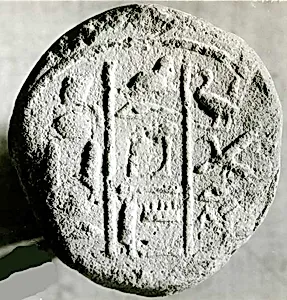
Medium
Pottery
Dimensions
L. 23.3 cm (9 3/16 in.); Diam. 7.3 cm (2 7/8 in.)
Classification
Cone, circular impression, Sapair, wab-priest of Amun
Period
New Kingdom
Department
Egyptian Art
Museum
Metropolitan Museum of Art, New York, NY
Credit
Gift of Norman de Garis Davies, 1930
Accession Number
30.6.1
Rights
Public Domain
Tags
Art Historical Context
Step into the world of ancient Egypt with the *Funerary Cone ofair*, a modest yet poignant pottery artifact from the New's Dynasty 18 (ca. 1550–1295 B.C.). Crafted during Egypt's imperial golden age—think grand pharaohs like Hatsheut and Tutankhamun—this cone-shaped object measures 23.3 cm long and 7.3 cm in diameter, designed to be embedded above a tomb entrance. These were vital funerary accessories, mass-produced in pottery and inscribed with hieroglyphs naming the deceased, such as Sapair, along with titles and prayers for eternal offerings of bread, beer, and oxen. The incised or stamped hieroglyphs served a magical purpose: invoking passersby to recite spells ensuring the tomb owner's *ka* (spirit) was nourished forever. This reflects New Kingdom beliefs in the afterlife, where even everyday officials sought immortality through such humble talismans. A gift to the Metropolitan Museum of Art from Egyptologist Norman de Garis Davies in 1930, this cone offers a window into the democratic spread of funerary art beyond royalty. Its simple fired clay endures as a testament to ancient ingenuity and devotion.