
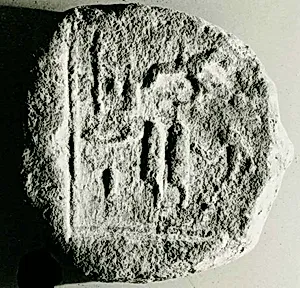
Funerary Cone of the Scribe Pairy
Unknown Artist
ca. 1400–1390 B.C.
Medium
Pottery
Dimensions
Preserved L. 2 cm (13/16 in.); Diam. 8 cm (3 1/8 in.)
Classification
Cone, Paroy, rectangular impression
Period
New Kingdom
Department
Egyptian Art
Museum
Metropolitan Museum of Art, New York, NY
Credit
Gift of Norman de Garis Davies, 1930
Accession Number
30.6.155
Rights
Public Domain
Tags
Art Historical Context
Step into the world of ancient Egypt with the *Funerary Cone of the Sc Pairy*, a modest yet poignant artifact from the New Kingdom's 18, dating to around 1400–1390 B.C. Crafted from pottery, this small cone—measuring just 2 cm in preserved length and 8 cm in—was designed for use in a tomb. Egyptians placed such cones in exterior niches or over entrances to advertise the deceased's identity and titles, magically inviting passersby to offer food and prayers for the ka, or spirit, of the departed. Inscribed with hieroglyphs, the cone bears the name and profession of Pairy, a scribe whose role was vital in recording temple accounts and royal decrees. These cones exemplify the New Kingdom's refined ceramic techniques, fired to a durable, reddish hue and stamped with precise inscriptions before glazing. Produced in vast numbers during this prosperous era under pharaohs like Amenhotep III, they reflect a democratized afterlife belief, extending elite funerary practices to officials like scribes. Today, this gift to the Metropolitan Museum of Art from Norman de Garis Davies in 1930 offers a tangible link to Theban tomb culture. Though diminutive, it whispers of eternal hopes amid the Nile's timeless sands.