
Goblet and base
1700
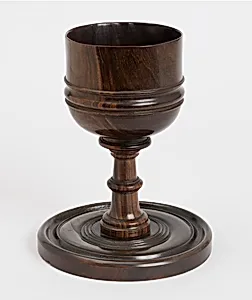
Medium
woodwork
Classification
woodwork
Department
Smithsonian Collection
Museum
Smithsonian American Art Museum
Credit
Gift of Clinton Wilder
Accession Number
1979-86-4-a,b
Rights
Public Domain
About this artwork
Research in Progress
Art Historical Context
Behold the elegant *Goblet and Base a finely crafted wooden vessel from 1700, now housed in the Smithsonian American Museum's collection of woodwork. Donated as a gift from Clinton Wilder, this piece exemplifies early 18th-century American at a time when European colonists relied heavily on abundant local woods like maple, cherry, or walnut for everyday objects. Goblets like this were essential for communal dining and celebrations, blending utility with subtle artistry. Woodwork was a cornerstone of colonial material culture, often created by skilled turners using lathes to shape symmetrical forms from a single block of wood. The goblet's graceful proportions and sturdy base suggest masterful control of the medium, highlighting techniques passed down through apprenticeships rather than formal academies. Though the artist's identity remains unknown—befitting much anonymous folk art—its survival speaks to the durability and value placed on such heirlooms. Currently under research at the Smithsonian, this goblet invites us to ponder the hands that shaped it amid America's formative years. A window into pre-industrial life, it reminds visitors of the quiet artistry in ordinary things.
About the Artist
Unknown
The artist designated as "Unknown" in our virtual museum's collection exemplifies a poignant chapter in art history: creators whose identities have faded into obscurity despite the enduring power of their work. With only one known artwork attributed to them in our holdings, this figure represents countless anonymous hands that shaped visual culture across centuries. Museums worldwide, including th...