
119
1880 - 1890
Medium
color woodcut
Dimensions
223; 287
Rights
Public Domain
About this artwork
hoogte 223 mm x breedte 287 mm
Art Historical Context
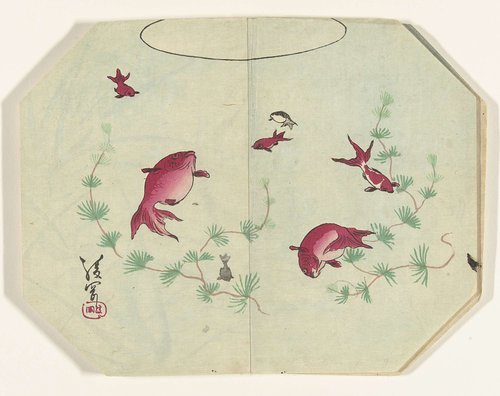
"119" is a delicate color woodcut by the Japanese artist Ayaokaûshin, created between 1880 and1890 during Japan's transformative Meiji era. Measuring just 223 mm high by 287 mm wide, this intimate print exemplifies the precision of traditional Japanese woodblock techniques, where multiple carved blocks were inked in vibrant hues and layered with exacting registration to produce rich, multicolored images. Though the specific subject remains a mystery, its modest scale suggests it may have been designed for personal collections, albums, or affordable art for the emerging middle class. In the late 19th century, woodblock printing—rooted in the ukiyo-e tradition of fleeting beauty—persisted amid rapid Westernization following the Meiji Restoration. Artists like Yûshin bridged old and new worlds, preserving masterful craftsmanship while Japan opened to global influences. This medium's cultural significance lies in its democratic appeal: prints were reproducible, allowing everyday people to own art that captured ephemeral moments, from landscapes to daily life. Today, works like "119" offer a window into Meiji Japan's artistic resilience, reminding us how techniques honed over centuries adapted to modernity. A hidden gem for collectors, it invites contemplation of an era's quiet elegance.