
Grass
Unknown Artist
580–640
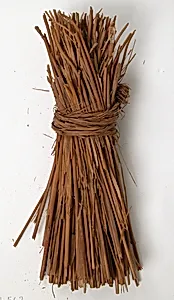
Medium
Grass
Dimensions
Overall: 9 1/16 x 3 1/8 in. (23 x 8 cm)
Classification
Miscellaneous
Culture
Coptic
Department
Medieval Art
Museum
Metropolitan Museum of Art, New York, NY
Credit
Rogers Fund, 1914
Accession Number
14.1.562
Rights
Public Domain
Art Historical Context
Step into the world of early Coptic Egypt with *Grass*, a delicate artifact from 580–640 CE, crafted entirely from grass by an unknown artist. Measuring just 9 1/16 x 3 1/8 inches (23 x 8 cm), this small yet evocative piece belongs to the Metropolitan Museum of Art's Medieval Art collection, acquired through the Rogers Fund in 4. Classified as miscellaneous, it exemplifies the humble, organic materials central to Coptic daily life and craftsmanship. In Coptic culture—blending Egyptian traditions with early Christianity—natural fibers like grass were ingeniously woven into mats, baskets, and ritual objects, especially in monastic communities along the Nile. Dating to the late antique period just before the Arab conquest, this work highlights the resourcefulness of Coptic artisans, who transformed everyday plants into enduring items for practical and possibly devotional use. The preservation of such a fragile medium speaks to the arid Egyptian climate's role in safeguarding these treasures. Though simple, *Grass* offers a tangible link to a vibrant era of faith and ingenuity, reminding us how even the most modest materials carried profound cultural weight in medieval Christian Egypt. A quiet testament to sustainability and skill!