
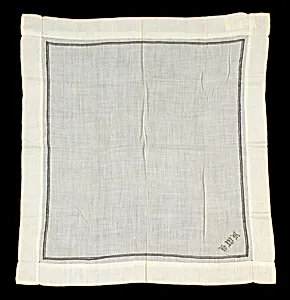
Handkerchief
Unknown Artist
third quarter 19th century
Medium
Linen
Classification
Handkerchief
Culture
American
Department
Costume Institute
Museum
Metropolitan Museum of Art, New York, NY
Credit
Brooklyn Museum Costume Collection at The Metropolitan Museum of Art, Gift of the Brooklyn Museum, 2009; Gift of Mrs. Alvah E. Reed, 1966
Accession Number
2009.300.5496
Rights
Public Domain
Art Historical Context
This delicate linen handkerchief, crafted by an unknown American artist in the third quarter of the 19th century (circa 1850–1875), offers a glimpse into everyday elegance during a transformative era in U.S. history. Produced from fine linen—a lightweight, breathable fabric prized for its durability and subtle sheen—such handkerchiefs were essential accessories for both men and women, carried in pockets or purses for practicality and personal style. In the mid-19th century, amid rapid industrialization and the Civil War, handkerchiefs like this one symbolized refined taste and social status. Linen's natural properties made it ideal for intricate handwork, though this example's simplicity highlights the understated luxury of American textile traditions. Often monogrammed or edged with lace, these items bridged utility and ornamentation, reflecting the era's growing emphasis on personal grooming and fashion. Now part of the Brooklyn Museum Costume Collection at The Metropolitan Museum of Art's Costume Institute, this handkerchief preserves a tangible link to 19th-century domestic life. Its gift history—from Mrs. Alvah E. Reed in 1966 to the Met in 2009—underscores the value museums place on humble artifacts that reveal cultural narratives. Visitors, imagine dabbing your brow with this very piece during a bustling New York street scene!