
Henri-Charles Maniglier
ca. 1850
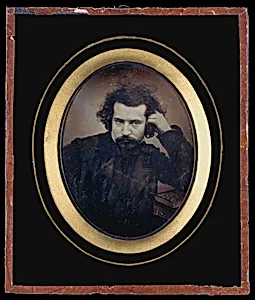
Medium
Daguerreotype
Dimensions
7 x 10 cm (2 3/4 x 3 15/16 in.)
Classification
Photographs
Department
Photographs
Museum
Metropolitan Museum of Art, New York, NY
Credit
Purchase, Harriette and Noel Levine Gift, 1994
Accession Number
1994.83
Rights
Public Domain
Tags
Art Historical Context
This intimate daguerreotype portrait captures Henri-Charles Maniglier 1850, a time when photography was revolutionizing how we see the world. Measuring just 7 x 10 cm, this small silvered copper plate produces a one-of-a-kind, mirror-like image that sparkles with detail under the right light—typical of early photographic treasures now housed in the Metropolitan Museum of Art Photographs Department. Invented by Louis Daguerre in 183, the daguerreotype was the first publicly available photographic process, demanding precise exposure times and chemical expertise. By the 1850s, it had become the gold standard for portraits, especially among the middle class, offering unprecedented realism and preserving personal likenesses with astonishing clarity. No negatives meant each image was unique, making this a singular glimpse into mid-19th-century life. As a portrait of an unknown man—likely French, given the name—this piece highlights photography's cultural shift from painted miniatures to accessible documentation. Donated through the Harriette and Noel Levine Gift in 1994, it invites us to ponder Maniglier's story, frozen in time amid the era's industrial and social transformations.
About the Artist
Unknown
The artist designated as "Unknown" in our virtual museum's collection exemplifies a poignant chapter in art history: creators whose identities have faded into obscurity despite the enduring power of their work. With only one known artwork attributed to them in our holdings, this figure represents countless anonymous hands that shaped visual culture across centuries. Museums worldwide, including th...