
Inscribed Stele
Unknown Artist
6th–7th century
Medium
Limestone; incised
Dimensions
H. 12 3/16 in. (31 cm) W. 11 7/16 in. (29.1 cm) D. 2 9/16 in. (6.5 cm)
Classification
Sculpture
Department
Islamic Art
Museum
Metropolitan Museum of Art, New York, NY
Credit
Rogers Fund, 1910
Accession Number
10.175.110
Rights
Public Domain
Art Historical Context
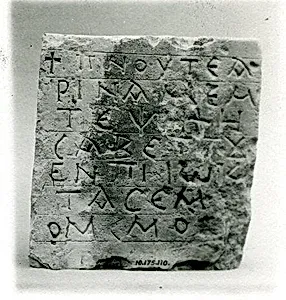
This modest yet evocative *Inscribed Stele*, carved from limestone in the 6th–7th century, stands as a poignant artifact from the dawn of Islamic art. Measuring just over 12 inches tall, this incised stone slab—likely a gravestone or memorial marker—bears finely carved inscriptions, a technique where lines are meticulously etched into the surface to create enduring text. Such steles were common in early Islamic funerary practices, blending pre-Islamic traditions with emerging Arabic script, often featuring Quranic verses, names, or prayers for the deceased. Housed in the Metropolitan Museum of Art's Department of Islamic Art (acquired through the Rogers Fund in 1910), it offers a window into a transformative era. The 6th–7th centuries mark the rise of Islam in the Arabian Peninsula and beyond, when stone inscriptions became vital for preserving memory and faith amid nomadic lifestyles. The limestone's durability ensured these messages of eternity survived, highlighting the cultural shift toward monumental yet intimate expressions of spirituality. Though the artist's identity is lost to time, the stele's precise incision work reflects skilled craftsmanship, underscoring the artistic reverence for the written word in early Islamic society—a foundation for the calligraphy that would define the tradition. Visitors are invited to ponder the personal stories etched here, bridging ancient lives to our own.