
Julius Caesar
ca. 1512–14
Medium
Marble
Dimensions
Height: 27 in. (68.6 cm)
Classification
Sculpture
Culture
Italian, Florence
Department
European Sculpture and Decorative Arts
Museum
Metropolitan Museum of Art, New York, NY
Credit
Bequest of Benjamin Altman, 1913
Accession Number
14.40.676
Rights
Public Domain
Tags
About this artwork
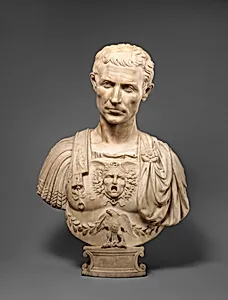
Julius Caesar is a sculpture by Italian artist Andrea di Pietro di Marco Ferrucci, created in ca. 1512–14. The work was created using marble. It measures Height: 27 in. (68.6 cm). This piece represents the artistic traditions of Italian, Florence, embodying the aesthetic values and technical expertise of its makers. The sculptural work demonstrates mastery of three-dimensional form and represents important artistic traditions of its time and place. Sculptors during this period possessed sophisti...
Art Historical Context
Step into the Renaissance world of Florence with Andrea di Pietro di Marco Ferrucci's *Julius Caesar*, a marble bust carved around 1512–14. Standing at 27 tall, this sculpture captures the commanding presence of the ancient Roman leader, embodying the era's fervent revival of classical antiquity. Ferr, a Florentine sculptor, draws on Rome's imperial legacy, featuring Caesar's stern profile alongside symbolic eagles—emblems of Roman power and victory—that highlight the work's commemorative spirit. Crafted from lustrous white marble, the piece showcases the technical prowess of early 16th-century Italian artists, who excelled in rendering three-dimensional anatomy, intricate drapery, and spatial depth. This bust reflects Florence's High Renaissance ideals: harmonious proportions, lifelike portraiture, and a deep reverence for historical figures. Such sculptures often adorned tombs, palaces, or scholarly collections, bridging ancient heroism with contemporary humanism. Today, *Julius Caesar* graces the Metropolitan Museum of Art's European Sculpture and Decorative Arts department, thanks to the 1913 bequest of Benjamin Altman. It invites visitors to ponder Rome's enduring influence on art, reminding us how Renaissance masters like Ferrucci breathed new life into the past.