
Le Pompe: Opera Nova, title page (verso)
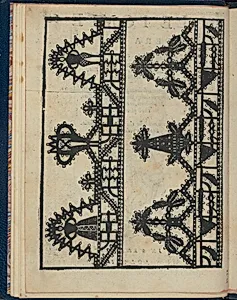
Medium
Woodcut
Dimensions
Overall: 8 1/16 x 5 7/8 in. (20.5 x 15 cm)
Classification
Books|Prints|Ornament & Architecture
Department
Drawings and Prints
Museum
Metropolitan Museum of Art, New York, NY
Credit
Harris Brisbane Dick Fund, 1937
Accession Number
37.74(2)
Rights
Public Domain
Tags
Art Historical Context
Step into the ornate world of Renaissance Venice with the verso of the title page from *Le: Opera Nova*, printed 1557 by the Venetian firm Giovanni Battista & Marchio Sessa. woodcut, measuring a compact 8 1/16 x 5 7/8 inches, the Department of Drawings and Prints at The Metropolitan Museum of Art, through the Harris Brisbane Dick Fund 1937. As part of a book classified under ornament and architecture, it exemplifies the era's fascination with elaborate decorative motifs—think intricate grotesques, strapwork, and fantastical architectural fantasies inspired by ancient Roman discoveries. Woodcuts like this were revolutionary for their time, allowing intricate designs to be reproduced affordably in books, democratizing access to high-style ornamentation. The Sessa brothers, prolific printers in Venice's bustling hub of innovation, captured the Mannerist spirit of *Le Pompe* ("The Splendors"), a "new work" showcasing pompous, exuberant patterns that influenced goldsmiths, architects, and decorators across Europe. These prints bridged art and craft, fueling the spread of Renaissance splendor from Italy to royal courts. Today, this delicate survival invites us to marvel at how a simple page verso encapsulated the 16th-century dream of grandeur, blending technical precision with boundless imagination.
About the Artist
Giovanni Battista & Marchio Sessa
Giovanni Battista and Marchio Sessa were prominent Venetian printers, publishers, and booksellers active in the vibrant printing hub of Renaissance Venice from the mid-16th century through 1602. Operating as a family partnership—likely brothers or close kin—they contributed significantly to the dissemination of ornamental designs during a period when Venice dominated Europe's graphic arts scene. T...