
Love and Death
1931
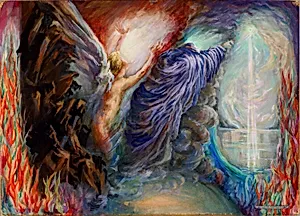
Medium
Painting
Classification
Painting
Department
Smithsonian Collection
Museum
Smithsonian American Art Museum
Credit
Smithsonian American Art Museum, Gift of Lucy Norman de Sanchez
Accession Number
1979.138
Rights
Public Domain
Tags
Art Historical Context
In "Love and Death," painted in 1931 by Da Loria Norman, a winged figure emerges amid contrasting elements of light and shadow, embodying the timeless dialogue between affection and mortality. symbolic composition invites viewers to reflect on how love and loss intertwine, with the ethereal being serving as a gentle mediator between the two forces. Created during a period of global reflection following the First World War, the work resonates with broader cultural explorations of human emotion and the passage of time. As a painting in the Smithsonian American Art Museum's collection, Norman's piece highlights the power of allegory to convey profound ideas through visual storytelling. The prominent use of light draws attention to themes of hope and transcendence, suggesting that even in the presence of death, love offers illumination. Gifted to the museum by Lucy Norman de Sanchez, the artwork preserves an intimate artistic vision for public contemplation and appreciation.