
Lucretia Mott
Medium
Classification
Department
Smithsonian Collection
Museum
Smithsonian American Art Museum
Credit
National Portrait Gallery, Smithsonian Institution
Accession Number
S/NPG.2018.89.47
Rights
Public Domain
Tags
Art Historical Context
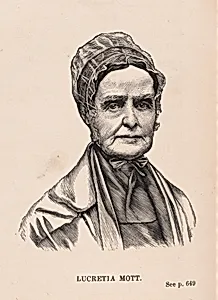
This evocative 1872 print portrait captures Lucretia Mott, a towering figure in 19th-century American reform movements. Born Lucretia Coffin, she was a Quaker minister, abolitionist, suffragist, and pioneering women's rights advocate who co-organized the 1848 Seneca Falls Convention, igniting the suffrage movement. By 1872, Mott's lifetime of activism—as a lecturer, teacher, and social reformer—had made her a symbol of moral courage, challenging slavery and gender inequality amid the post-Civil War era. Depicted wearing a traditional bonnet and holding a book, the unidentified artist's print reflects the era's conventions for honoring public figures. As a print, it was likely produced for wide dissemination, allowing Mott's image to inspire audiences through newspapers, pamphlets, or personal collections. This medium democratized portraiture, making icons of reform accessible beyond elite oil paintings. Housed in the Smithsonian American Art Museum's National Portrait Gallery, this work underscores Mott's enduring legacy in the fight for equality. Visitors today can appreciate how such portraits fueled social change, blending personal piety with public advocacy in a single, powerful image.