
Magical Figure
Unknown Artist
ca. 1802–1550 B.C.
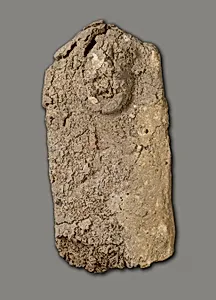
Medium
Clay (unfired)
Dimensions
H. 7.5 cm (2 15/16 in.); W. 3.5 cm (1 3/8 in.)
Classification
figure, magical, execration, tablet
Period
Late Middle Kingdom–Second Intermediate Period
Department
Egyptian Art
Museum
Metropolitan Museum of Art, New York, NY
Credit
Rogers Fund, 1933
Accession Number
33.1.71
Rights
Public Domain
Tags
Art Historical Context
This petite *Magical Figure*, crafted from unfired clay around 1802–1550 B.C., hails from Egypt's Late Middle Kingdom to Second Intermediate Period (Dynasty 13– Intermediate Period). Standing just 7.5 cm tall and 3.5 cm wide, its small scale suggests it was a portable amulet or ritual object, likely carried for personal protection. The use of raw, unfired clay is particularly intriguing—unlike fired ceramics, this medium was soft and perishable, hinting at temporary use in magical rites, perhaps to be dissolved or buried as part of spells. In ancient Egyptian culture, such figures embodied supernatural power, often featuring stylized faces (as tagged here) to invoke deities or ancestors. This era was marked by political fragmentation, with weakening central authority paving the way for foreign influences like the Hyksos. Artifacts like this reflect everyday spirituality amid uncertainty, blending folk magic with broader religious traditions. Acquired through the Rogers Fund in 1933 and housed in the Metropolitan Museum of Art's Egyptian Art department, the *Magical Figure* offers a glimpse into the intimate, mystical side of ancient life—reminding us how ordinary people sought otherworldly aid in turbulent times.