
Magical Figure
Unknown Artist
ca. 1802–1550 B.C.
Medium
Clay (unfired)
Dimensions
H. 7 cm (2 3/4 in.); W. 3.5 cm (1 3/8 in.)
Classification
figure, magical, execration, tablet
Period
Late Middle Kingdom–Second Intermediate Period
Department
Egyptian Art
Museum
Metropolitan Museum of Art, New York, NY
Credit
Rogers Fund, 1933
Accession Number
33.1.108
Rights
Public Domain
Tags
Art Historical Context
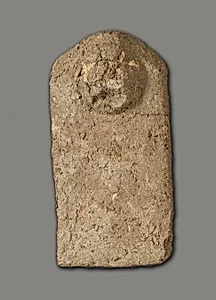
Step into the enigmatic world of ancient Egypt with the *Magical Figure*, a small yet potent clay artifact from the Late Middle Kingdom Second Intermediate Period (ca. 1802–1550 B.C.). Crafted from unfired clay and standing just 7 cm tall, this unassuming figurine—likely hand-modeled—belonged to Dynasty 13 through the Second Intermediate Period, a time of political fragmentation when central authority waned and regional powers rose, including the Hyksos in the north. Acquired by the Metropolitan Museum of Art through the Rogers Fund in 1933, it exemplifies everyday Egyptian artistry from a turbulent era. These "magical figures" held profound cultural significance, serving as protective amulets or ritual objects. Placed in homes, tombs, or carried on the person, they were believed to harness supernatural forces against illness, evil spirits, or misfortune—especially vital during periods of instability. The unfired clay medium underscores their utilitarian nature: fragile and ephemeral, they were not meant for eternity but for immediate magical potency, often inscribed with spells or activated through rituals. Though the artist remains unknown, the figure's expressive face—highlighted in the museum's tags—captures the era's stylized anthropomorphic style, blending human features with symbolic power. This tiny guardian invites us to ponder the ancient Egyptians' deep faith in magic as a shield against life's uncertainties, bridging the mortal and divine.