
Magical Figure
Unknown Artist
ca. 1802–1550 B.C.
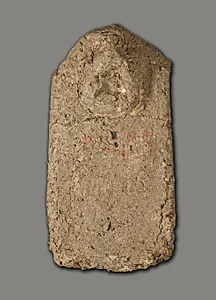
Medium
Clay (unfired)
Dimensions
H. 7.3 cm (2 7/8 in.); W. 3.6 cm (1 7/16 in.)
Classification
figure, magical, execration, tablet
Period
Late Middle Kingdom–Second Intermediate Period
Department
Egyptian Art
Museum
Metropolitan Museum of Art, New York, NY
Credit
Rogers Fund, 1933
Accession Number
33.1.105
Rights
Public Domain
Tags
Art Historical Context
This small unfired clay, created during Egypt’s Late Middle Kingdom to Second Intermediate Period (Dynasty 13), offers a glimpse into ancient practices that blended art with ritual. Standing just over seven centimeters tall, the work was likely formed quickly by hand, its simple contours shaped to serve a specific ceremonial purpose rather than for lasting display. The choice of unfired clay suggests it was intended for temporary use, perhaps buried, broken, or left in a shrine as part of a magical act. The figure’s emphasis on the face, noted among its key features, points to the importance ancient Egyptians placed on identity and expression in protective or invocatory objects. Such pieces were often created to channel supernatural power, whether to safeguard the living, assist the deceased, or influence events through ritual. Despite its modest scale and humble material, the Magical Figure reflects a sophisticated understanding of how even the smallest artwork could participate in the larger spiritual life of its time.