
Magical Figure
Unknown Artist
ca. 1802–1550 B.C.
Medium
Clay (unfired)
Dimensions
H. 7.2 cm (2 13/16 in.); W. 4 cm (1 9/16 in.)
Classification
figure, magical, execration, tablet
Period
Late Middle Kingdom–Second Intermediate Period
Department
Egyptian Art
Museum
Metropolitan Museum of Art, New York, NY
Credit
Rogers Fund, 1933
Accession Number
33.1.125
Rights
Public Domain
Tags
Art Historical Context
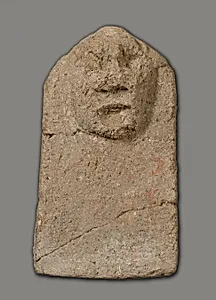
### Magical Figure Step into the enigmatic world of Egypt with this petite *Magical Figure*, crafted from unfired clay around 1802–1550 B.C. during the Late Middle Kingdom to Intermediate Period (Dynasty13 to Second Intermediate Period). Standing just 7.2 cm tall and 4 cm wide, this modest artifact from the Metropolitan Museum of Art Egyptian Art collection captures the essence of everyday mysticism in a turbulent era of political fragmentation and cultural transition. Likely used in protective rituals, such figures embodied apotropaic magic—warding off evil, promoting fertility, or aiding healing. Egyptians often buried them under house foundations or placed them in tombs to invoke supernatural aid. The unfired clay medium was deliberate: soft and ephemeral, it symbolized the figure's temporary activation through spells or offerings, dissolving back to earth after fulfilling its purpose. Its focus on facial features, as hinted by the tags, suggests a stylized, expressive face designed to channel divine or ancestral power. This unassuming object reveals the vibrant folk religion of non-elite Egyptians, bridging royal temple cults and personal devotion. Acquired through the Rogers Fund in 1933, it reminds us how magic permeated daily life, offering a tangible link to the hopes and fears of people over 3,500 years ago. *(198 words)*