
Magical Figure
Unknown Artist
ca. 1802–1550 B.C.
Medium
Clay (unfired)
Dimensions
H. 6.7 cm (2 5/8 in.); W. 3.5 cm (1 3/8 in.)
Classification
figure, magical, execration, tablet
Period
Late Middle Kingdom–Second Intermediate Period
Department
Egyptian Art
Museum
Metropolitan Museum of Art, New York, NY
Credit
Rogers Fund, 1933
Accession Number
33.1.126
Rights
Public Domain
Tags
Art Historical Context
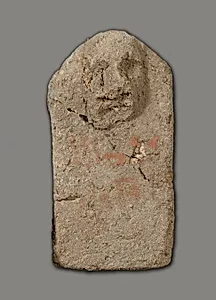
This petite *Magical Figure*, crafted from unfired clay around 1802–1550 B.C., hails from Egypt's Late Middle Kingdom to Second Intermediate Period (Dynasty 13– Intermediate Period). Standing just 6.7 cm tall, its small scale suggests it was a portable amulet or votive object, likely carried for protection or used in private rituals. The use of unfired clay—a fragile, perishable medium—makes its survival remarkable, as most such figures would have disintegrated over millennia. In ancient Egyptian belief, small figurines like this embodied magical powers, often invoked to ward off evil, ensure fertility, or aid the deceased. The stark, abstracted face (highlighted in our tags) exemplifies the period's shift toward simplified forms amid political instability, when centralized artistry gave way to regional, folk traditions. Though the artist remains unknown, this piece reflects everyday spirituality rather than royal grandeur. Acquired through the Rogers Fund in 1933 and now in the Metropolitan Museum of Art's Egyptian Art collection, it offers a intimate glimpse into the mystical lives of ordinary Egyptians during a turbulent era. Visitors, imagine clutching this talisman for luck—its quiet potency endures.