
Mandora
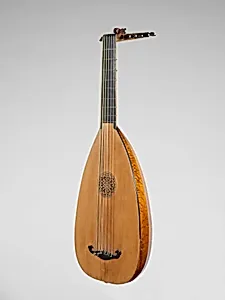
Medium
Maple, spruce, ebony
Dimensions
L. to nut 77.1cm (30.35 in.); String L.: Minimum 67.5 cm (26.58 in.); L. of top 48.5 cm. (19.09 in.)
Classification
Chordophone-Lute-plucked-fretted
Culture
German
Department
Musical Instruments
Museum
Metropolitan Museum of Art, New York, NY
Credit
The Crosby Brown Collection of Musical Instruments, 1889
Accession Number
89.4.3140
Rights
Public Domain
Art Historical Context
Created in 1726 by maker Gregori Ferdinand Wenger, this mandora is a fine example of an eighteenth-century plucked string instrument. Classified as a chordophone-lute, the mandora was valued for its gentle, intimate tone and was often used in domestic music-making during the Baroque period. Its elegant proportions and refined construction reflect the high standards of German instrument building at the time. The instrument is crafted from maple for the back and sides, spruce for the soundboard, and ebony for the fingerboard and fittings. These traditional tonewoods were chosen for their acoustic qualities and visual beauty, allowing the mandora to serve as both a musical tool and a decorative object. The carefully shaped body and precise fretting demonstrate the maker’s skill in balancing playability with structural integrity. Now part of the Metropolitan Museum of Art’s Crosby Brown Collection of Musical Instruments, this mandora offers visitors a tangible connection to the musical life of eighteenth-century Europe. Its survival in excellent condition highlights the enduring craftsmanship of Wenger’s workshop and the cultural importance of such instruments in both performance and collecting history.