
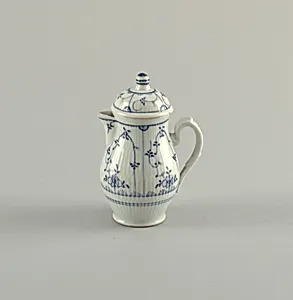
Milk Jug with "Strohblumen" Pattern
Medium
ceramics
Classification
ceramics
Department
Smithsonian Collection
Museum
Smithsonian American Art Museum
Credit
Bequest of Georgiana L. McClellan
Accession Number
1953-17-12-a,b
Rights
Public Domain
About this artwork
Research in Progress
Art Historical Context
Step into the refined world of late 18th-century German ceramics with this charming *Milk Jug with "Strohblumen" Pattern* from the Tettau Porcelainufactory. Produced around 1790—just before the manufactory's formal establishment in1794—this piece exemplifies burgeoning excellence of German porcelain workshops. Tettau, located in Bavaria, quickly gained renown for its high-quality hard-paste porcelain blending functionality with decorative appeal for everyday luxury items like this jug. The "Strohumen" (strawflower) pattern draws from nature-inspired motifs popular in European decorative arts, evoking the delicate, preserved beauty of dried flowers used in crafts and arrangements. As a ceramic vessel, it highlights the technical mastery of porcelain production: thin, translucent bodies fired at high temperatures for durability and elegance. Such jugs were essential in affluent households for serving milk in tea sets, merging utility with subtle artistry. Today, this jug graces the Smithsonian American Art Museum's ceramics collection, thanks to the generous bequest of Georgiana L. McClellan. Though research continues, it offers visitors a tangible link to Enlightenment-era craftsmanship and transatlantic collecting tastes. (198 words)