
Mouthpiece of a pipe
Unknown Artist
1796–1875
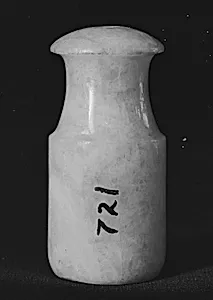
Medium
Jadeite, lilac-colored
Dimensions
H. 1 3/4 in. (4.4 cm); Diam. 3/4 in. (1.9 cm)
Classification
Jade
Culture & Period
China · Qing dynasty (1644–1911)
Department
Asian Art
Museum
Metropolitan Museum of Art, New York, NY
Credit
Gift of Heber R. Bishop, 1902
Accession Number
02.18.721
Rights
Public Domain
Art Historical Context
Nestled in the Metropolitan Museum of Art's Asian Art collection, this delicate *Mouthpiece of a Pipe (1796–1875) the exquisite artistry of China's Qing dynasty (16441911). Crafted rare lilac-colored jadeite—a vivid, translucent variety prized for its purity and hue—this small gem measures just 1 3/4 inches high and 3/4 inch in diameter. Donated in 1902 by Heber R. Bishop, a key benefactor of the museum's jade holdings, it exemplifies the era's mastery in transforming humble materials into symbols of refinement. Jade held profound cultural significance in imperial China, embodying virtues like immortality and moral integrity. During the late Qing period, tobacco smoking—introduced centuries earlier—became a refined pastime among elites, with pipe mouthpieces like this one serving as luxurious accessories. Artisans employed meticulous techniques, such as precise carving and polishing, to accentuate the stone's natural lilac tones and subtle translucency, revealing the object's high craftsmanship despite the unknown artist. This unassuming yet elegant piece invites us to ponder everyday luxuries of Qing society, where even a pipe's mouthpiece could reflect an emperor's opulence or a scholar's taste. A testament to jade's enduring allure, it bridges art, ritual, and daily life.