
Narrow Sheet
Unknown Artist
4th century
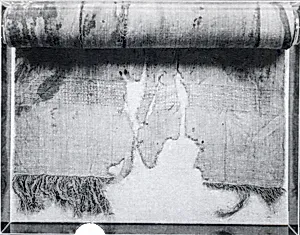
Medium
Linen
Dimensions
Overall: 37 13/16 × 22 1/16 in. (96 × 56 cm)
Classification
Textiles-Woven
Culture
Coptic
Department
Medieval Art
Museum
Metropolitan Museum of Art, New York, NY
Credit
Rogers Fund, 1933
Accession Number
33.10.19
Rights
Public Domain
Art Historical Context
Welcome to the Medieval Art galleries, where we encounter the **Narrow Sheet**, a remarkable 4th-century linen from Coptic Egypt. Measuring 37 13/16 × 22 1/16 inches (96 × 56 cm), this narrow woven panel exemplifies the exquisite craftsmanship of early Christian artisans in Egypt. Acquired through the Rogers Fund in 1933, it now graces the Metropolitan Museum of Art collection of woven textiles. Coptic textiles like this one flourished between the 3rd and 12th centuries, blending ancient Egyptian weaving traditions with Greco-Roman and emerging Christian influences. Produced on narrow looms, these sheets were often sewn together to form tunics, shawls, or burial garments, reflecting everyday life and spiritual beliefs. Linen, abundant along the Nile, was the primary medium, prized for its durability and breathability in Egypt's hot climate. The artistic significance of such pieces lies in their technical mastery—intricate tapestry weaves that allowed for vibrant patterns and motifs, though specifics here remain a mystery due to the unknown artist. They offer a window into Coptic culture's vibrant textile trade, exported across the Mediterranean, and highlight how fabric served as both functional art and cultural storyteller in late antique Egypt. A true survivor from antiquity!