
Onderdelen van het tabernakel
1523 - 1526
Medium
hand coloring
Dimensions
227; 144
Rights
Public Domain
About this artwork
beeld: hoogte 227 mm x breedte 144 mm
Art Historical Context
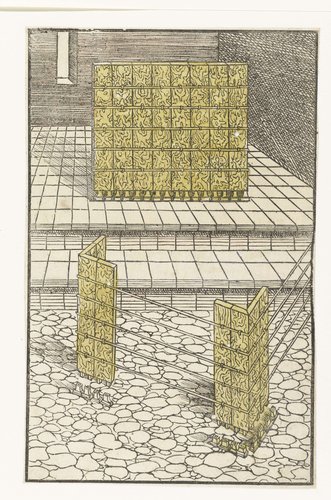
**Onderdelen van het tabernakel (Parts the Tabernacle)** *Lucas Cranach the Elder (1472–1553), 1523–1526* *Hand-colored print, 227 × 144 mm* Lucas Cranach the Elder, a leading figure of the German Renaissance, created this delicate hand-colored print during the turbulent early years of the Protestant Reformation. As court painter to the Electors of Saxony and close ally of Martin Luther, Cran often blended religious themes with innovative printmaking techniques. Dated between 1523 and 1526, *Onderdelen van het tabernakel*—meaning "Parts of the Tabernacle"—likely depicts architectural or ornamental components of a church tabernacle, the sacred enclosure for the Eucharist. This small-scale work (just 227 mm high by 144 mm wide) reflects the era's shift toward accessible devotional art amid religious upheaval. The hand-coloring technique elevates this print from mere reproduction to a vibrant, jewel-like object, a specialty of Cranach's workshop. Northern Renaissance artists like him pioneered such methods on woodcuts or engravings, adding washes of watercolor or gouache by hand to mimic illuminated manuscripts. This not only enhanced visual appeal for private devotion but also made high art affordable to a broader audience, bridging elite patronage and emerging print culture. Though modest in size, the piece underscores Cranach's versatility—from grand altarpieces to intricate designs—capturing the spiritual fervor of Reformation Germany. Visitors will appreciate its preserved vibrancy, offering a window into 16th-century faith and craftsmanship.