
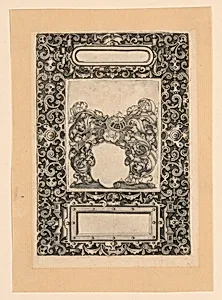
Page from Emblemata nobilitate et vulgo scitu digna (Noble Ornament)
Classification
graphic design
Department
Smithsonian Collection
Museum
Smithsonian American Art Museum
Credit
Purchased for the Museum by the Advisory Council
Accession Number
1921-6-13
Rights
Public Domain
About this artwork
Research in Progress
Art Historical Context
Step into the intricate world of Renaissance emblemata with this page from *Emblemata nobilitate et vulgo scitua* (Noble Ornament), by German engraver Johann Theodor de in 1593. De Bry, part of a renowned family of artists and publishers active in Frankfurt, specialized in detailed illustrations that bridged art and literature. This graphic design exemplifies the emblem book tradition, where symbolic images paired with Latin mottos and verses offered moral lessons accessible to both nobility and commoners. Emblemata flourished in late 16th-century Europe during the Renaissance, serving as visual encyclopedias of wit, virtue, and allegory. De Bry's contribution reflects the era's humanist spirit, drawing on classical motifs to educate and entertain. His family's legacy in finely wrought engravings—seen in voyage accounts and scholarly works—elevates this piece as a testament to the power of print to democratize knowledge. Housed in the Smithsonian American Art Museum, acquired through the Advisory Council, this artwork highlights graphic design's role in cultural dissemination. Though research continues, it invites us to ponder the timeless appeal of symbols that speak across centuries, blending artistry with profound ideas.