
Pair of Tube-Lock Hammers
ca. 1819–20
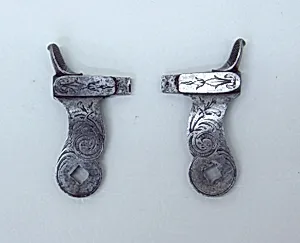
Medium
Steel
Dimensions
H. of each 2 5/16 in. (6 cm); Wt. of each 1.1 oz (31 g)
Classification
Firearms Parts
Culture
British, London
Department
Arms and Armor
Museum
Metropolitan Museum of Art, New York, NY
Credit
Fletcher Fund, by exchange, 2004
Accession Number
2004.118.1, .2
Rights
Public Domain
Art Historical Context
Behold this exquisite pair of-lock hammers, crafted by the renowned British gunsmith Joseph Manton 1819–20. Made of finely worked steel, each hammer measures just 2 5/16 inches high and weighs a mere 1.1 ounces, showcasing the precision engineering of London's premier firearms workshops. Housed in the Metropolitan Museum of Art's Arms and Armor Department, these tiny components are masterpieces of functional artistry, acquired through the Fletcher Fund in 200. Manton's innovation came during the early 19th century, a pivotal era when firearm technology shifted from unreliable flintlocks to more dependable percussion systems. His tube-lock mechanism, patented around 1818, used a platinum-lined tube ignited by a spark from the hammer— a clever precursor to the widespread percussion cap. These hammers, striking with controlled force, highlight Manton's role in advancing sporting guns for British aristocracy and military use, improving reliability even in damp conditions. What elevates these hammers to museum treasures is their blend of utility and craftsmanship. The steel's subtle forging and finishing reflect the gunsmith's sculptural skill, turning mechanical parts into elegant objects. For visitors, they offer a glimpse into the Industrial Revolution's fusion of art and invention, reminding us how innovation often hid in the details of everyday tools.