
明 緙絲嬰戯圖|Panel with boys at play
Unknown Artist
late 16th–early 17th century
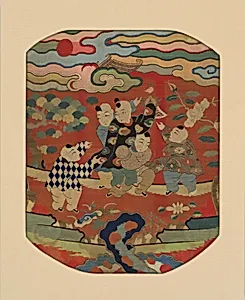
Medium
Silk and metal thread tapestry (kesi)
Dimensions
Overall: 18 1/4 x 15 in. (46.4 x 38.1 cm)
Classification
Textiles-Tapestries
Culture & Period
China · Ming dynasty (1368–1644)
Department
Asian Art
Museum
Metropolitan Museum of Art, New York, NY
Credit
Fletcher Fund, 1936
Accession Number
36.65.30
Rights
Public Domain
Tags
Art Historical Context
This exquisite Ming dynasty tapestry, titled *Panel with Boys at Play*明 緙絲嬰戯圖), dates to the late 16 or early 17th and captures the joyful innocence of children in lively motion. Woven from silk and shimmering metal threads, the 18¼ × 15-inch panel (46.4 × 38.1 cm) depicts boys engaged in playful antics—running, tumbling, and laughing—evoking the warmth of family life in imperial China. Acquired through the Fletcher Fund in 1936, it now graces the Metropolitan Museum of Art's Asian Art collection. Crafted in the prestigious *kesi* technique, a slit-tapestry weave unique to China, this artwork showcases the Ming era's mastery of luxury textiles. Artisans dissolved discontinuous weft threads between color blocks, creating razor-sharp details without painting or embroidery. Reserved for elite screens, robes, or wall hangings, *kesi* pieces like this symbolized wealth and refinement, often produced in imperial workshops. In Chinese culture, images of frolicking boys held deep significance, embodying Confucian ideals of harmony, prosperity, and the blessings of many sons. This charming scene not only delights with its vivid energy but also offers a window into Ming daily life, where childhood play mirrored hopes for a flourishing future. A true gem for textile enthusiasts!