
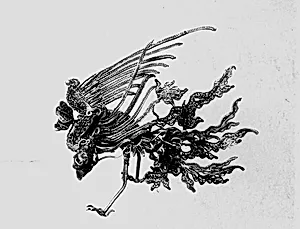
Part of a Burial Crown
Unknown Artist
Medium
Gold
Dimensions
H. 2 1/2 in. (6.4 cm); W. 1 3/4 in. (4.4 cm)
Classification
Jewelry
Culture & Period
China · Song dynasty (960–1279) or later
Department
Asian Art
Museum
Metropolitan Museum of Art, New York, NY
Credit
Fletcher Fund, 1935
Accession Number
35.72.2
Rights
Public Domain
Tags
Art Historical Context
This exquisite fragment of a gold burial crown hails from China during the Song dynasty (–1279) or thereafter, a period renowned for its cultural refinement and artistic innovation. Measuring just 2½ inches high and 1¾ inches wide, this delicate piece of jewelry was likely part of an elaborate headdress worn by an elite individual in the afterlife. Crafted entirely from gold—a precious metal symbolizing immortality and wealth in ancient Chinese cosmology—it reflects the sophisticated metalworking traditions of the era, where such items were buried with the deceased to ensure prosperity in the spiritual realm. The presence of birds, hinted at in its design, carries profound cultural weight. In Chinese tradition, avian motifs often evoked auspicious qualities like longevity, freedom, and harmony with nature, making them fitting for funerary adornments. Song-era burials frequently included such opulent goods, underscoring beliefs in an eternal journey beyond death and the social status of the tomb's occupant. Today, this rare artifact resides in the Metropolitan Museum of Art's Asian Art department, acquired through the Fletcher Fund in 1935. It offers visitors a tangible glimpse into imperial splendor and the enduring reverence for the afterlife in medieval China.