
Pedestal
Classification
metalwork
Department
Smithsonian Collection
Museum
Smithsonian American Art Museum
Credit
Museum purchase through gift of various donors and from Eleanor G. Hewitt Fund
Accession Number
1938-88-1812
Rights
Public Domain
About this artwork
Research in Progress
Art Historical Context
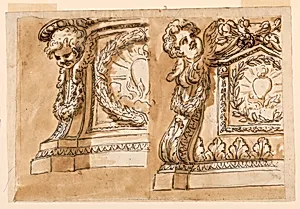
**Pedestal** *Giuseppe Barberi (, 1746–1809), ca. 1780* *Metalwork, Smithsonian Collection* *Smithsonian American Art Museum* Step into the refined world of late 18th-century Italian arts with Giuseppe Barberi's *Pedestal*, a striking example of metalwork crafted around 1780. Acquired through museum purchase with gifts from various donors and the Eleanor G Hewitt Fund, this piece graces the Smithsonian American Art Museum showcasing Barberi's skill as a designer during Italy's Neoclassical revival. Active in Rome, Barberi bridged architecture and ornament, creating objects that evoked the grandeur of ancient antiquity amid the Enlightenment's embrace of classical harmony. Classified as metalwork—though the exact medium awaits further research—this pedestal likely served a dual role: functionally supporting sculptures, vases, or candelabra while dazzling with intricate craftsmanship. Such pieces were staples in opulent palaces and villas, symbolizing status and artistic sophistication. Its presence in an American collection underscores the era's global exchange of luxury goods, bridging European mastery with New World collectors. Ongoing research into *Pedestal* invites us to appreciate its mysteries—perhaps ornate chasing, gilding, or patination techniques that captured light and form. A testament to Barberi's enduring legacy, it reminds visitors of metalwork's subtle power to elevate both art and imagination. (198 words)