
Pendant
Unknown Artist
1st millennium BCE
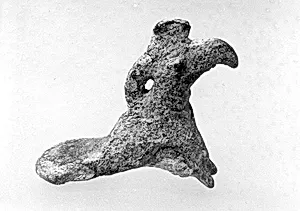
Medium
Bronze
Dimensions
2.09 x 2.5 in. (5.31 x 6.35 cm)
Classification
Metalwork-Ornaments
Culture & Period
Iran · Iron Age
Department
Ancient Near Eastern Art
Museum
Metropolitan Museum of Art, New York, NY
Credit
Gift of Ernest Erickson Foundation, 1988
Accession Number
1988.102.12
Rights
Public Domain
Art Historical Context
This exquisite bronze pendant, crafted by an unknown artist during Iran's Iron Age in the 1st millennium BCE, offers a glimpse into the daily adornments of ancient Near Eastern peoples. Measuring just 2.09 x 2.5 inches (5.31 x 6.35 cm), its petite scale suggests it was worn as personal jewelry—perhaps suspended from a necklace or cord—serving both decorative and possibly protective purposes in a world where ornaments often held symbolic power. Bronze, a durable alloy of copper and tin, remained a prized medium even as iron tools revolutionized warfare and agriculture during this period. Iranian metalworkers excelled in casting and hammering techniques, producing finely detailed ornaments that reflected nomadic and early urban cultures, such as those preceding the Achaemenid Empire. This piece exemplifies the sophisticated craftsmanship of the region, where jewelry bridged the practical and the spiritual. Now housed in the Metropolitan Museum of Art's Department of Ancient Near Eastern Art, thanks to a 1988 gift from the Ernest Erickson Foundation, the pendant invites us to ponder the lives of its long-ago wearer— a testament to enduring human creativity.