
Piece
Unknown Artist
18th–19th century
Medium
Silk
Dimensions
13 1/4 x 7 3/4 in. (33.66 x 19.68 cm)
Classification
Textiles-Woven
Culture & Period
Japan · Edo (1615–1868)
Department
Asian Art
Museum
Metropolitan Museum of Art, New York, NY
Credit
Gift of Mr. and Mrs. H. O. Havemeyer, 1896
Accession Number
96.14.204
Rights
Public Domain
Tags
Art Historical Context
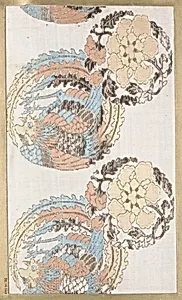
This exquisite silk textile fragment, titled simply *Piece*, hails from Japan during the Edo period (5–1868), the 18th–19th century. Woven with remarkable precision, it measures just 13¼ x 7¾ inches (33.66 x 19.68 cm), likely part of a larger garment, screen, or decorative panel. The Asian Art Department's classification highlights its status as a fine example of woven textiles, where silk's lustrous sheen and durability made it a prized medium for everyday luxury and ceremonial use. In Edo Japan, a time of relative peace and urban prosperity, textiles flourished as an art form, blending functionality with poetic symbolism. Birds—evident in this work's motifs—often represented seasonal beauty, freedom, and harmony with nature, drawing from traditions like those in ukiyo-e prints and kimono designs. The intricate weaving technique showcases the era's mastery of looms, creating detailed patterns without dyes bleeding, a testament to artisanal skill passed down through guilds. Generously gifted to the Metropolitan Museum of Art in 1896 by Mr. and Mrs. H. O. Havemeyer, renowned collectors of Asian treasures, this piece offers a glimpse into Japan's refined aesthetic. Though by an unknown artist, it embodies the democratic elegance of Edo craft, inviting us to appreciate the fleeting grace of silk and feather alike.