
Piece
Unknown Artist
18th–19th century
Medium
Silk
Dimensions
9 3/4 x 6 1/2 in. (24.77 x 16.51 cm)
Classification
Textiles-Woven
Culture & Period
Japan · Edo (1615–1868)
Department
Asian Art
Museum
Metropolitan Museum of Art, New York, NY
Credit
Gift of Mr. and Mrs. H. O. Havemeyer, 1896
Accession Number
96.14.325
Rights
Public Domain
Art Historical Context
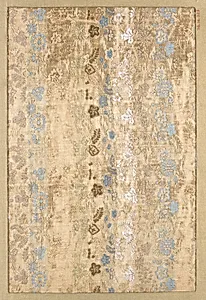
This delicate silk textile, simply titled *Piece* and created by an unknown artist Japan's Edo period (1615–8), offers a glimpse into the refined artistry of 18th–19th weaving. The Edo era was a time of relative peace and economic growth under the Tokugawa shogunate, fostering innovations in crafts like textiles, which adorned kimonos, furnishings, and ceremonial garments. Measuring just 9¾ x 6½ inches, this small fragment exemplifies the precision and portability of such works, likely preserved as a sample of masterful craftsmanship. Woven silk held immense cultural value in Japan, symbolizing luxury and status due to its shimmering sheen and labor-intensive production. Weavers employed complex looms to interlace dyed threads, creating intricate patterns that reflected seasonal motifs, nature, or daily life—hallmarks of Edo textile traditions. Though details of its design remain understated in records, the medium's durability allowed these pieces to endure, bridging everyday elegance with artistic expression. Generously gifted to the Metropolitan Museum of Art in 1896 by Mr. and Mrs. H. O. Havemeyer, renowned collectors of Asian art, this piece invites visitors to marvel at Japan's textile legacy up close, where every thread tells a story of ingenuity and tradition.