
Piece
Unknown Artist
18th–19th century
Medium
Silk
Dimensions
6 3/4 x 9 1/2 in. (17.15 x 24.13 cm)
Classification
Textiles-Woven
Culture & Period
Japan · Edo (1615–1868)
Department
Asian Art
Museum
Metropolitan Museum of Art, New York, NY
Credit
Gift of Mr. and Mrs. H. O. Havemeyer, 1896
Accession Number
96.14.462
Rights
Public Domain
Art Historical Context
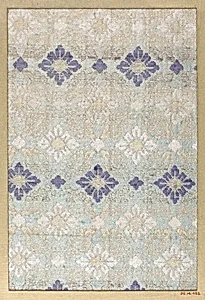
This exquisite silk textile fragment, simply titled *Piece*, hails from Japan's Edo period (16151868), a time of relative peace and prosperity that fostered remarkable advancements in craftsmanship. Produced in the 18th or 19th century, exemplifies the era's vibrant textile arts, where silk weaving became a hallmark of Japanese ingenuity. Woven textiles like this were often destined for luxurious kimonos or obi sashes, reflecting the merchant class's growing taste for intricate patterns and refined elegance amid urban culture's flourish in cities like Edo (modern Tokyo) and Kyoto. Crafted from fine silk—a material Japan mastered through centuries of sericulture—the piece showcases the sophisticated weaving techniques of the period, such as figured brocades or satin weaves that allowed for complex motifs without dyeing. These methods, centered in weaving hubs like Nishijin, demanded extraordinary skill, blending functionality with artistry. At just 6¾ × 9½ inches, this small survivor offers a window into everyday opulence, where fabrics conveyed social status, seasons, and aesthetics tied to nature or theater. A generous gift to the Metropolitan Museum of Art from Mr. and Mrs. H. O. Havemeyer in 1896, this fragment joins the museum's celebrated Asian Art collection, inviting visitors to appreciate the tactile beauty and cultural depth of Edo-era Japan.