
Piece
Unknown Artist
18th–19th century
Medium
Silk, metallic thread
Dimensions
10 x 10 in. (25.40 x 25.40 cm)
Classification
Textiles-Tapestries
Culture & Period
Japan · Edo (1615–1868)
Department
Asian Art
Museum
Metropolitan Museum of Art, New York, NY
Credit
Gift of Mr. and Mrs. H. O. Havemeyer, 1896
Accession Number
96.14.450
Rights
Public Domain
Tags
Art Historical Context
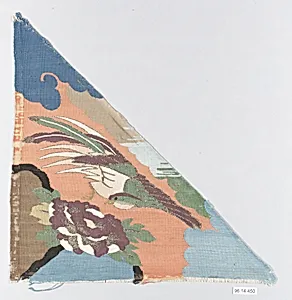
This exquisite silk tapestry, simply titled *Piece*, hails from Japan's Edo period (16151868), a time of relative peace and cultural flourishing under the Tokugawa shogunate. Crafted by an unknown artist in the 18th–19th century, this 10 x 10-inch square exemplifies the refined artistry of Japanese textiles. Donated to the Metropolitan Museum of Art in 1896 by Mr. and Mrs. H. O. Havemeyer, it entered one of the earliest major collections of Asian art in the West, highlighting growing Western fascination with Japanese craftsmanship during the late 19th century. Woven with luxurious silk and shimmering metallic threads, the piece showcases advanced tapestry techniques like kesi—small-scale, intricate weaving where silk slits create vivid patterns without supplementary wefts. The metallic accents catch the light, evoking opulence and adding a dynamic, jewel-like quality. Birds, a recurring motif in Edo-era art, likely grace its surface, symbolizing grace, seasonal change, and harmony with nature, themes central to Japanese aesthetics. As a compact yet masterful work from the Asian Art department, this tapestry reflects the Edo period's mastery of portable luxury goods, often used in clothing, screens, or decorative panels for the elite. Its preservation offers visitors a window into Japan's textile heritage, where every thread tells a story of technical innovation and poetic beauty.