
Piece
Unknown Artist
18th century
Medium
Silk, metallic thread
Dimensions
12 1/2 x 6 1/4 in. (31.75 x 15.88 cm)
Classification
Textiles-Woven
Culture & Period
Japan · Edo period (1615–1868)
Department
Asian Art
Museum
Metropolitan Museum of Art, New York, NY
Credit
Gift of Mr. and Mrs. H. O. Havemeyer, 1896
Accession Number
96.14.926
Rights
Public Domain
Art Historical Context
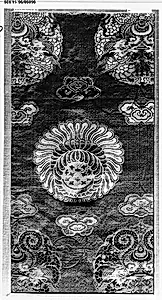
This exquisite woven textile fragment, titled simply *Piece*, hails from 18th-century Japan during the Edo period (161–1868), a time of relative peace and cultural flourishing under the Tokugawa shogunate. Measuring just 12½ x 6¼ inches, it exemplifies the refined artistry of Japanese textile production, likely intended as part of a garment, screen, or decorative panel. Crafted from luxurious silk interwoven with shimmering metallic threads, it reflects the era's mastery of weaving techniques that blended functionality with opulent beauty. In Edo-period Japan, textiles were more than mere fabric—they were status symbols and canvases for storytelling, often featuring intricate patterns inspired by nature, theater, or daily life. The use of silk and metallic threads, such as gold or silver lamé, created a luminous effect prized by the growing merchant class and samurai elite. These materials demanded exceptional skill, with weavers employing complex looms to achieve durability and visual splendor. Generously donated to the Metropolitan Museum of Art in 1896 by Mr. and Mrs. H. O. Havemeyer, renowned collectors of Asian art, this piece invites us to appreciate the anonymous genius behind Japan's textile legacy. Though details of its exact design remain undisclosed, it whispers of a vibrant world where every thread wove history and elegance together.