
Plaque
Unknown Artist
ca. 1390–1352 B.C.
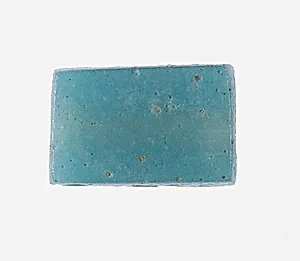
Medium
Glass
Dimensions
L. 0.8 cm (5/16 in)
Classification
Plaque, foundation deposit
Period
New Kingdom
Department
Egyptian Art
Museum
Metropolitan Museum of Art, New York, NY
Credit
Rogers Fund, 1911
Accession Number
11.215.213
Rights
Public Domain
Art Historical Context
This delicate glass plaque, dating to around 1390–1352 B.C., offers a glimpse into the opulent artistry of Egypt's New Kingdom during Dynasty 18—the era of powerful pharaohs like Amenep III. Measuring just 0.8 cm in length, this tiny artifact exemplifies the precision of ancient Egyptian craftsmen, who produced such minuscule objects as inlays for jewelry, furniture, or amulets. Glass was a luxury material in ancient Egypt, one of the earliest civilizations to master its production around 1500 B.C. Artisans shaped it using techniques like core-forming or molding, often coloring it vividly with metal oxides for symbolic or decorative effect. In Dynasty 18, amid Egypt's imperial height, glass items like this plaque signified wealth and technical innovation, bridging everyday luxury with ritual significance. Acquired through the Rogers Fund in 1911 and housed in the Metropolitan Museum of Art's Egyptian Art collection, this unassuming piece invites us to marvel at the sophistication of a bygone world—where even the smallest creation reflected the grandeur of the Nile Valley.