
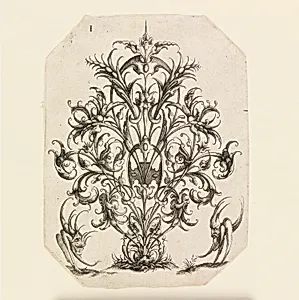
Plate 1, from Die Folge der phantastichen Scmucksträße (Suite of Fantastic Ornamental Bouquets)
Classification
ornament
Department
Smithsonian Collection
Museum
Smithsonian American Art Museum
Credit
Museum purchase through gift of Mrs. John Innes Kane
Accession Number
1942-36-28-2
Rights
Public Domain
About this artwork
Research in Progress
Art Historical Context
Step into the whimsical world of early 17th-century German ornamentation with *Plate 1* from Wendel Dietterlin the Younger's *Die Folge phantastichen Schmuckäße (Suite of Ornamental Bouquets)*, created in 1614. Dietterlin, a German artist active only from 1610 to 1614, followed in the footsteps of his father, the architect and engraver Wendel Dietter the Elder. This plate is part of a rare series of prints showcasing extravagant, fantastical designs—think blooming bouquets twisted into architectural fantasies, blending flora, fauna, and grotesque motifs in a Mannerist exuberance that bridged Renaissance precision and emerging Baroque opulence. These ornamental suites were more than decorative; they served as invaluable pattern books for goldsmiths, architects, and artisans across Europe, inspiring intricate metalwork, textiles, and facades. Dietterlin's imaginative "bouquets" reflect the era's fascination with *grotesques*—playful, hybrid forms drawn from ancient Roman discoveries—pushing boundaries of symmetry and realism. Though the medium remains under study, such plates were typically etched or engraved, allowing precise dissemination of bold ideas. Housed in the Smithsonian American Art Museum through a generous purchase funded by Mrs. John Innes Kane, this work invites us to marvel at how one artist's fleeting career captured the inventive spirit of German design, influencing decorative arts for generations. Research continues to uncover its full story—perfect for pondering the boundless creativity of 1614!