
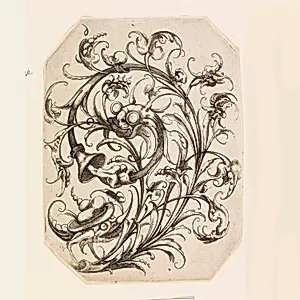
Plate 6, from Die Folge der phantastischen Schmucksträße (Suite of Fantastic Ornamental Bouquets)
Medium
ornament
Classification
ornament
Department
Smithsonian Collection
Museum
Smithsonian American Art Museum
Credit
Museum purchase through gift of Mrs. John Innes Kane
Accession Number
1942-36-29-3
Rights
Public Domain
About this artwork
Research in Progress
Art Historical Context
This plate from *Die Folge der phantastischen Schmucksträße* (Suite of Fantastic Ornamental Bouquets) showcases the inventive spirit of early seventeenth-century German design. Created in 1614 by Wendel Dietterlin the Younger, whose brief career spanned roughly 1610 to 1614, the work belongs to a series of ornamental prints meant to inspire craftsmen working in metal, textiles, and architecture. The title’s emphasis on “fantastic” bouquets suggests exuberant, imaginative arrangements rather than literal flowers, reflecting the late Mannerist taste for elaborate, hybrid motifs that blend natural and invented forms. Such ornamental suites played a vital role in disseminating decorative ideas across Europe at a time when printed pattern books served as essential tools for goldsmiths and artisans. Dietterlin the Younger continued the legacy of his father, Wendel Dietterlin the Elder, whose influential *Architectura* (1598) had already popularized fantastical architectural ornament. Plate 6 would have offered viewers a single, self-contained design rich in swirling tendrils, exotic blooms, and playful grotesques, encouraging creative adaptation rather than strict copying. Acquired by the Smithsonian American Art Museum through the generosity of Mrs. John Innes Kane, this print preserves a moment when ornament was celebrated as both functional and artistic. Its delicate lines and inventive composition invite modern visitors to appreciate how seventeenth-century designers turned everyday decorative needs into sources of wonder and delight.