
Plate
early 19th century
Medium
Faience (tin-glazed earthenware)
Dimensions
Diameter: 12 1/8 in. (30.8 cm)
Classification
Ceramics-Pottery
Culture
French, Creil
Department
European Sculpture and Decorative Arts
Museum
Metropolitan Museum of Art, New York, NY
Credit
Bequest of Mary Mandeville Johnston, from the collection of Mr. and Mrs. Edward W. S. Johnston, 1914
Accession Number
14.102.413
Rights
Public Domain
Tags
Art Historical Context
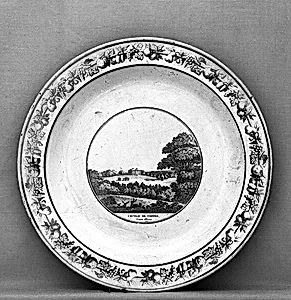
This elegant faience plate, produced in the early 19th by the French firm Stone, Coquerel et LeGros in Creil, exemplifies the vibrant ceramic traditions of northern France. Measuring 12⅛ inches in diameter, belongs to the tin-glazed earthenware category, a medium prized for its glossy, durable surface that allowed for bold, colorful designs. Creil was a hub for faience production during this period, blending utilitarian craftsmanship with artistic flair amid the Napoleonic era's economic recovery and rising middle-class demand for decorative tableware. The plate's decoration features lush motifs of fruit, flowers, and trees, rendered in vivid enamels typical of French faience. This naturalistic imagery reflects the era's Romantic interest in nature and abundance, evoking bountiful gardens and orchards. The tin glaze not only protected the earthenware body but also created a brilliant white ground ideal for intricate overglaze painting, a technique that made Creil wares accessible yet sophisticated alternatives to pricier porcelain. Now housed in the Metropolitan Museum of Art's European Sculpture and Decorative Arts Department, this piece entered the collection in 1914 through the bequest of Mary Mandeville Johnston. It offers visitors a tangible glimpse into 19th-century French domestic life, where such plates graced dining tables, celebrating both artistry and everyday joy.