
Plate
second half 18th century
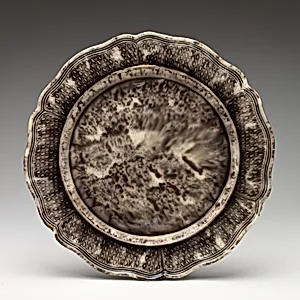
Medium
Earthenware, glazed
Dimensions
Diameter: 9 1/2 in. (24.1 cm)
Classification
Ceramics-Pottery
Culture
probably British, Staffordshire
Department
European Sculpture and Decorative Arts
Museum
Metropolitan Museum of Art, New York, NY
Credit
Rogers Fund, 1928
Accession Number
28.184.6
Rights
Public Domain
Art Historical Context
This elegant plate exemplifies the "Whieldon type" ceramics, a style associated with Thomas Whieldon, a Staffordshire potter active in 18th-century Britain. in the second half of the 1700s, it hails from Staffordshire, the epicenter of England's burgeoning pottery industry, where innovations in mass production transformed everyday objects into affordable art. Whieldon's workshop, later partnered with Josiah Wedgwood, popularized vibrant, tortoiseshell-glazed earthen—mottled effects mimicking exotic shells through layered slips and glazes fired at low temperatures. Crafted from glazed earthenware, this 9½-inch (24.1 cm) disk showcases the technical prowess of the era: durable yet delicate, with a glossy finish that protected the colorful patterns while enhancing their jewel-like appeal. Such plates were tableware for the rising middle class, blending utility with ornamentation amid the Industrial Revolution's shift from luxury porcelain to accessible ceramics. On view in the Metropolitan Museum of Art's European Sculpture and Decorative Arts department (acquired via the Rogers Fund in 1928), this piece captures Staffordshire's cultural legacy—where pottery fueled economic growth and artistic experimentation, paving the way for global exports and modern design. A charming survivor of domestic life, it invites us to savor the tactile joy of 18th-century innovation.
About the Artist
Whieldon type
Whieldon-type is not a single artist but a catalogue attribution used by museums for unmarked mid-18th-century Staffordshire earthenware in the manner of Thomas Whieldon (1719-1795), the celebrated English potter of Fenton Vivian. Whieldon perfected lead-glazed cream-colored earthenware streaked and dappled with metallic oxides - manganese browns, copper greens, cobalt blues - producing the mottle...