**Whieldon Type: Pioneers of Colorful Staffordshire Earthenware**
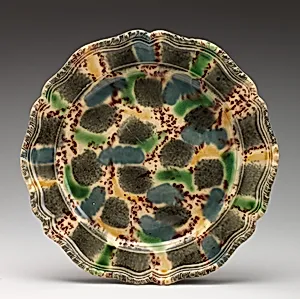
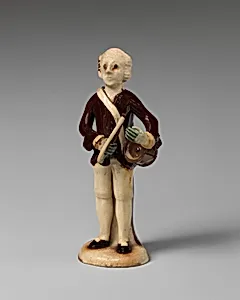
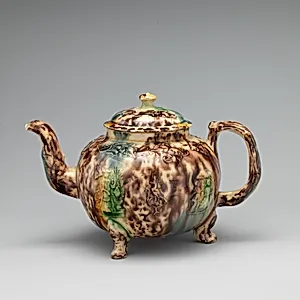
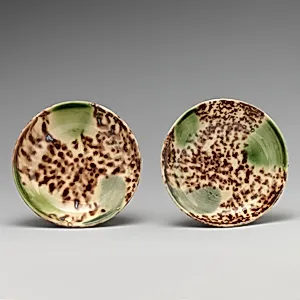
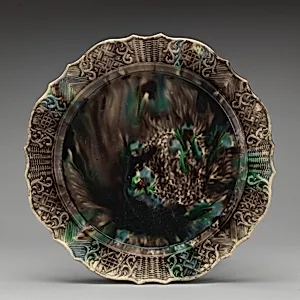
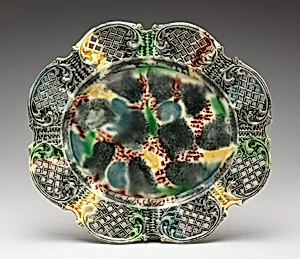
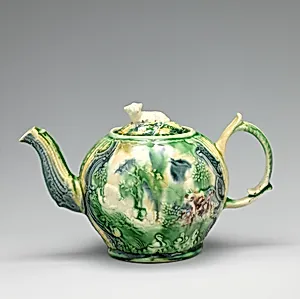
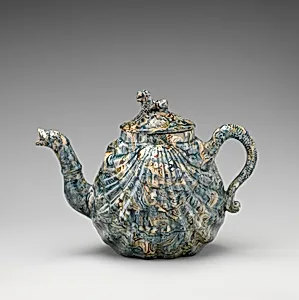
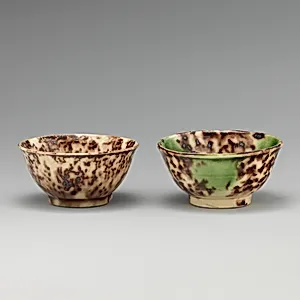
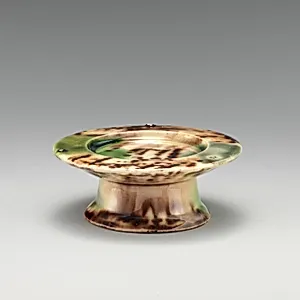
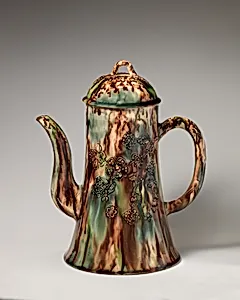
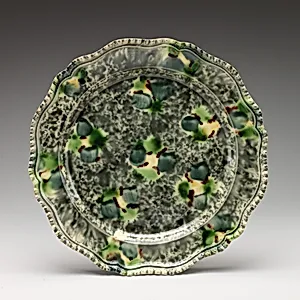
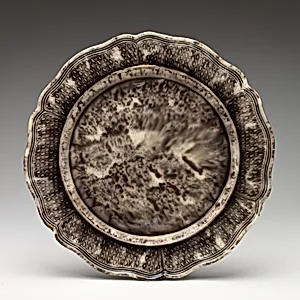
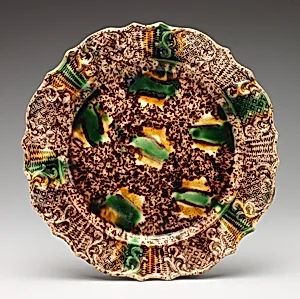
Whieldon type pottery represents the work of anonymous Staffordshire potters active in Britain during the mid-18th century, roughly 1740–1770, who produced innovative lead-glazed earthenwares that brought vibrant color and whimsy to everyday tableware and ornaments. Emerging from the fertile pottery district of Staffordshire, these makers specialized in techniques like tortoiseshell ware—where metallic oxides such as manganese and copper were sponged or painted onto the unfired body before a transparent lead glaze caused the colors to flow and blend into mottled, tortoiseshell-like effects—and agateware, featuring marbled patterns from layered clays of contrasting colors. These methods transformed plain earthenware into affordable luxuries, with forms press-molded or slip-cast for efficiency, including teapots, plates, sauceboats, and tureens often mimicking silver shapes.
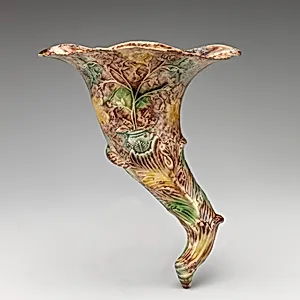
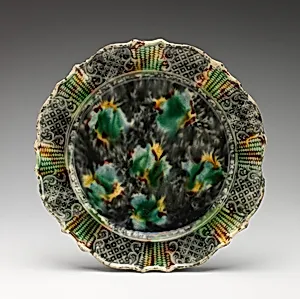
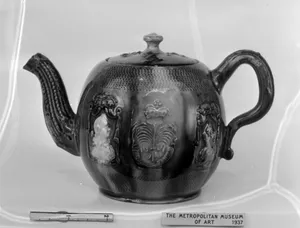
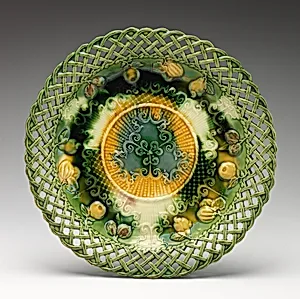
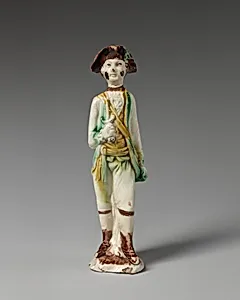
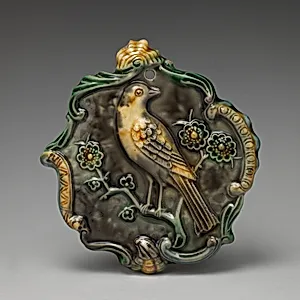
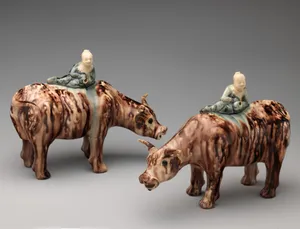
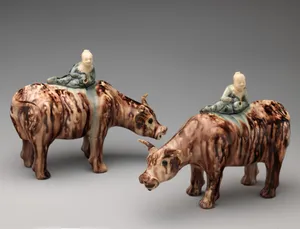
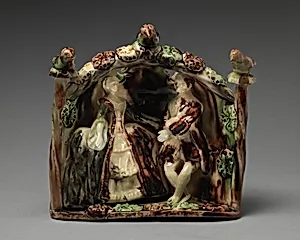
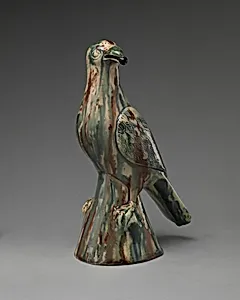
Operating within the robust Staffordshire pottery tradition, Whieldon type potters capitalized on local clays and kilns without documented formal training or specific mentors, though their styles closely echo those refined by master potter Thomas Whieldon at his Fenton Vivian factory. Exact attributions remain uncertain due to the lack of maker's marks and shared molds across workshops, leading to the generic "Whieldon type" label for this broad group of wares. Key examples include a circa 1750–65 agateware teapot (Metropolitan Museum of Art), a lead-glazed plate with molded fruit borders from around 1750–70, and lively figures such as seated dogs, parrots, cats, and a milkmaid with her cow, all enlivened by broad strokes of green, brown, and blue glazes. Rarer novelties, like manganese-glazed plum models on leaves circa 1775, highlight their playful realism.
The legacy of Whieldon type endures as a crucial bridge from rustic folk pottery to industrialized production, influencing Josiah Wedgwood's creamware and the mass-market appeal of Queen's ware. These pieces, prized for their naive charm and technical ingenuity, populate museum collections—including 56 works in the Artheon Virtual Museum—and continue to fetch high prices among collectors, underscoring Staffordshire's role in democratizing ceramics for the home. Today, they evoke the tactile joy of 18th-century innovation, where a simple splash of glaze could mimic nature's extravagance.