
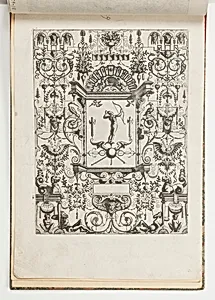
Plate 29, from Grotteßco: in diverßche manieren
Medium
ornament
Classification
ornament
Department
Smithsonian Collection
Museum
Smithsonian American Art Museum
Credit
Museum purchase through gift of Mrs. John Innes Kane
Accession Number
1945-59-17
Rights
Public Domain
About this artwork
Research in Progress
Art Historical Context
**Plate 29 from *Grotteßco: in diverßche manieren*** (1564) by Hans Vred de Vries captures the whimsical spirit of Renaissance ornamentation. A versatile Dutch artist, architect, and engraver (1527–ca. 1606), Vredeman de Vries was renowned for his innovative designs blending architecture with fantastical motifs. This plate hails from his influential pattern book, published in Antwerp amid the Northern Renaissance's fascination with rediscovered Roman grotesques—intricate, vine-like decorations unearthed in ancient sites like Nero's Domus Aurea. These prints served as practical guides for artisans crafting tapestries, furniture, and wall panels. Vredeman's grotesque style features scrolling foliage, mythical creatures, and architectural elements intertwined in playful asymmetry, reflecting Mannerist tendencies toward complexity and illusion. As plate 29 in a series exploring "various ways" of this motif, it exemplifies his mastery of engraving, allowing precise dissemination of ideas across Europe. Such works fueled the decorative arts boom, influencing goldsmiths, stucco workers, and even garden designs. Today, housed in the Smithsonian American Art Museum through a generous purchase, this ornament print invites us to appreciate how 16th-century ingenuity turned fantasy into functional beauty. Research continues to uncover more about its creation, but its enduring charm speaks volumes. (198 words)