
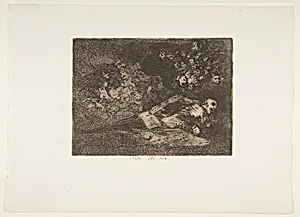
Plate 69 from "The Disasters of War" (Los Desastres de la Guerra): Nothing. The event will tell (Nada. Ello dirá)
1810–20, published 1863
Medium
Etching, burnished aquatint, lavis, drypoint and burin
Dimensions
Plate: 6 1/8 × 7 13/16 in. (15.5 × 19.9 cm) Sheet: 9 15/16 × 13 9/16 in. (25.2 × 34.5 cm)
Classification
Prints
Department
Drawings and Prints
Museum
Metropolitan Museum of Art, New York, NY
Credit
Gift of Mrs. Grafton H. Pyne, 1951
Accession Number
51.530.2(69)
Rights
Public Domain
Tags
Art Historical Context
Francisco de Goya y Luc, a pivotal figure in the transition from Enlightenment art to Romanticism, created *The Disasters of War*Los Desastres de la) between 1810 and 1820 amid the brutal Peninsular War Spain's fight against Napoleonic invasion. This series of 82 prints unflinchingly documents the atrocities of war, famine, and repression. Plate 69, *Nothing. The event will* (Nada. Ello dirá), poignantly captures the grim aftermath—evident in its "corpses" tag—with stark ambiguity, letting the horror speak for itself. Though etched during Goya's lifetime, the full series wasn't published until 1863, reflecting his bold critique too raw for contemporaries. Goya masterfully combined etching, burnished aquatint, lavis, drypoint, and burin on a modest plate (6 1/8 × 7 13/16 in.), achieving velvety blacks and haunting textures that amplify emotional intensity. These intaglio techniques allowed intricate details and tonal depth, making the prints intimate yet visceral, like private sketches turned public indictment. Housed in the Metropolitan Museum of Art's Drawings and Prints department (gift of Mrs. Grafton H. Pyne, 1951), this work endures as a timeless anti-war testament, influencing modern photojournalism and graphic novels with its raw humanity and moral urgency.
About the Artist
Goya (Francisco de Goya y Lucientes) · 1746–1828
Francisco José de Goya y Lucientes (1746-1828) was a Spanish painter and printmaker considered the last of the Old Masters and the first of the moderns. Rising from modest provincial origins to become First Court Painter to Charles IV, Goya's career spanned the Enlightenment's optimism and the brutal Napoleonic invasion that shattered it. A mysterious illness in 1793 left him permanently deaf and ...