Ctrl K
1746–1828
Francisco José de Goya y Lucientes (1746-1828) was a Spanish painter and printmaker considered the last of the Old Masters and the first of the moderns. Rising from modest provincial origins to become First Court Painter to Charles IV, Goya's career spanned the Enlightenment's optimism and the brutal Napoleonic invasion that shattered it. A mysterious illness in 1793 left him permanently deaf and transformed his art from elegant royal portraits and tapestry cartoons into increasingly dark explorations of human nature. His unflinching prints—'Los Caprichos,' 'The Disasters of War,' and 'Los Disparates'—exposed superstition, corruption, and the horrors of conflict, while his final 'Black Paintings' probed the darkest regions of the psyche. Goya's work profoundly influenced Romanticism, Impressionism, and Expressionism.
Born March 30, 1746, in Fuendetodos, Aragon, to a gilder's family. Goya studied painting from age 14 under José Luzán in Zaragoza, then traveled to Madrid hoping to study at the Royal Academy, but was twice rejected (1763, 1766).
Undeterred, he traveled to Italy at his own expense (1769-1771), absorbing Italian masters. Returning to Spain, he received his first major commission—frescoes for the Basilica del Pilar in Zaragoza. In 1773, he married Josefa Bayeu, sister of court painter Francisco Bayeu.
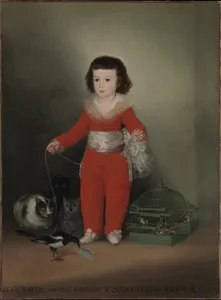
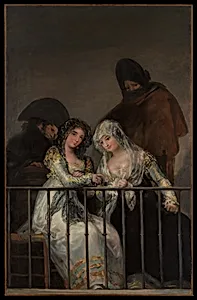
Goya's court career began in 1775 when he started designing tapestry cartoons for the Royal Tapestry Factory—over 60 scenes of Spanish life rendered with Rococo charm. His talents brought him to royal attention: he was appointed court painter in 1786 and First Court Painter in 1789.
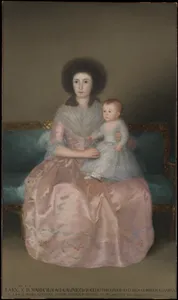
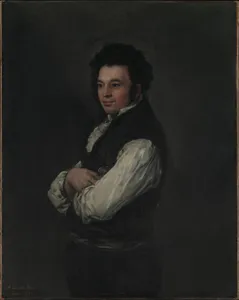
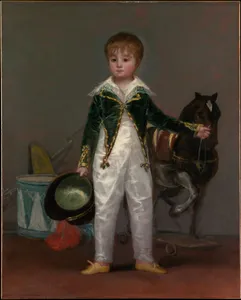
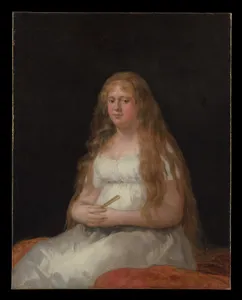
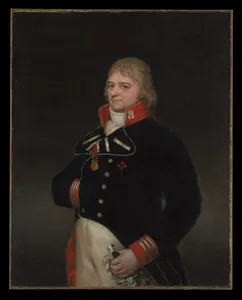
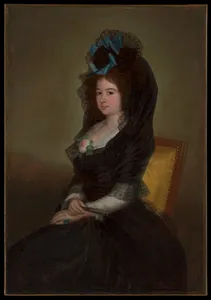
During this period, Goya painted elegant portraits of Spanish aristocracy while also producing incisive character studies revealing psychological depth beneath social surfaces. His portrait of the Duchess of Alba sparked rumors of a romantic relationship.
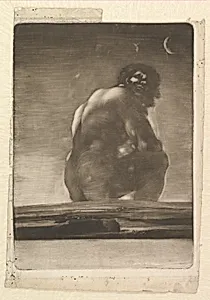
A severe illness in 1793—possibly lead poisoning or viral encephalitis—left Goya permanently deaf. This trauma transformed his art, turning inward toward darker subjects. He began creating smaller, more personal works exploring fantasy, nightmare, and social criticism.
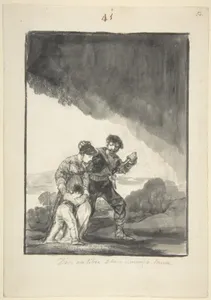
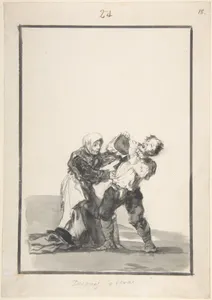
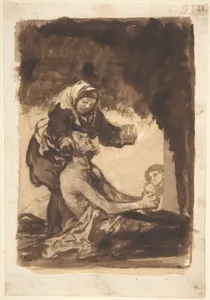
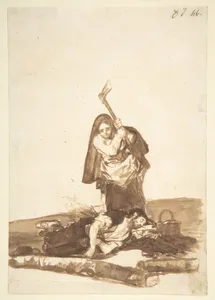
'Los Caprichos' (1799), 80 etchings satirizing Spanish society's superstition, corruption, and clerical abuse, established Goya as a master printmaker. The famous plate 'The Sleep of Reason Produces Monsters' encapsulates his Enlightenment critique of irrationality.
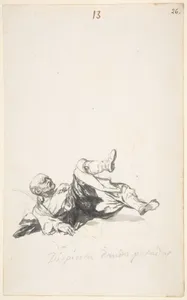
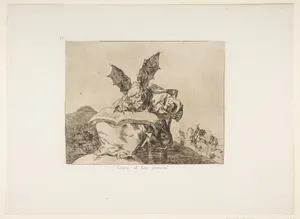
Napoleon's invasion of Spain (1808) and the brutal guerrilla war that followed shattered Goya's world. Though he served the French-imposed government, he secretly documented atrocities in 'The Disasters of War' (1810-1820)—82 prints depicting massacre, rape, famine, and death with unprecedented honesty.
After Ferdinand VII's restoration, Goya painted 'The Second of May 1808' and 'The Third of May 1808' (1814), commemorating Spanish resistance. 'The Third of May,' showing the execution of civilians, became one of history's most powerful anti-war statements.
Withdrawing to his country house, Quinta del Sordo (House of the Deaf Man), Goya covered its walls with 14 'Black Paintings' (1819-1823)—nightmarish visions including 'Saturn Devouring His Son' and 'Witches' Sabbath.' Never intended for public display, they represent art's darkest psychological territory.
Fearing repression under Ferdinand VII's absolutist regime, Goya exiled himself to Bordeaux in 1824, where he continued working until his death on April 16, 1828. His remains were eventually returned to Madrid in 1901.
Biography length: ~980 words