
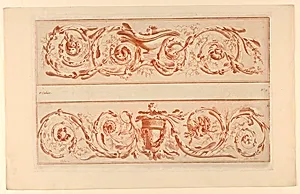
Plate 9 from Cahier d ornements et frises dessinés (Book of Ornaments and Friezes)
Classification
albums (bound) & books
Department
Smithsonian Collection
Museum
Smithsonian American Art Museum
Credit
Purchased for the Museum by the Advisory Council
Accession Number
1921-6-42-3
Rights
Public Domain
About this artwork
Research in Progress
Art Historical Context
Henri Sallembier (ca. 1753–1820), a prominent French ornamental designer, created *Plate 9 from Cahier d'ornements et frises dessinés* (Book of Ornaments and Friezes) in 1777. This plate is part of a bound album of meticulously crafted designs, showcasing Sallembier's expertise in decorative motifs. Active during the late Louis XVI era, he contributed to the refined Neoclassical style that blended classical antiquity with elegant French opulence, often influencing porcelain, furniture, and architecture. These pattern books were essential tools for 18th-century artisans, disseminating intricate friezes and ornaments for use in grand interiors and luxury goods. Sallembier's work reflects the pre-Revolutionary fervor for symmetry, garlands, and antique-inspired elements, bridging Rococo exuberance with emerging Neoclassicism. Though the exact medium remains under study, such plates were typically etched or engraved for precise reproduction. Housed in the Smithsonian American Art Museum's collection—purchased by the Advisory Council—this artwork highlights transatlantic exchange, as European design books inspired early American decorators. It invites visitors to appreciate the artistry behind everyday elegance, a testament to Sallembier's enduring influence on decorative arts. (198 words)